
Heart & metabolism
3 body systems · 14 tests
Focused panel · Cardiometabolic

Heart & metabolism

Understand your lipid and metabolic markers, and follow their change over time.

  • Catalogue entries14
  • Body systems3
  • SpecimenBlood
  • Preparation12-hour fast
  • Validated report5 days or less
  • WhereBarcelona lab · home
One panel. One clear price.

Charged once. No renewal, no card kept on file.

Apple PayGoogle PayCardBizum
Secure checkout in the pageFree cancellation before your appointmentNo subscription required
Why take this test?

Each system here answers a different part of the question.

Heart & vesselsHeart & vessels · 9 tests

The pump, and the particles moving through it.

Cardiovascular risk is a pattern, not a number. Particle-based markers (ApoB, Lp(a)) describe how many carriers are in circulation, the classic lipids describe their cargo, and muscle-derived markers describe strain.

ApoB · ApoA1 · Lipoprotein(a) · Total cholesterol · HDL · +4


Metabolism & glucoseMetabolism & glucose · 4 tests

How your body handles fuel — today, and over months.

Glucose is a snapshot, HbA1c a longer average, insulin and C-peptide the response behind them. Together they describe handling; separately they are easy to over-read.

Glucose · HbA1c · Fasting insulin · HOMA-IR
Inflammation & immuneInflammation & immune · 1 tests

Background irritation, and the defences behind it.

hs-CRP describes how much inflammatory signal is present — never where it comes from. Immunoglobulins and complement describe the defences themselves. ESR, a slower and less specific inflammation signal, is catalogued with blood and clotting rather than counted here.

High-sensitivity CRP
Where it sits in the body

3 systems, one connected view.

Hover a system to see the organ light up. Every coloured region is a biological category, never a result.

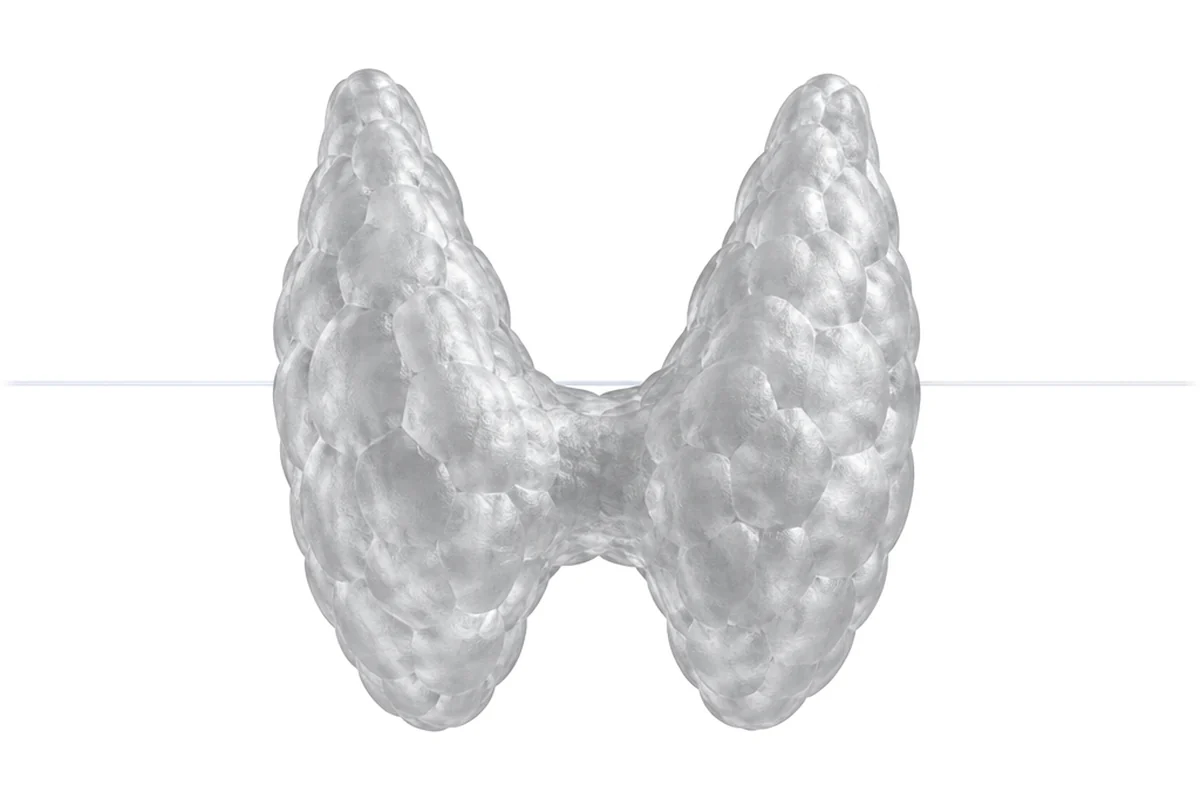
A pale translucent anatomical figure standing in an empty white field. The highlighted region marks a body system, never a result.
Heart & vessels9 tests in this panel

A conceptual map of where each system sits. Colour marks the system, never a result.

What you get

A report you can actually read.

  • A dated report, validated twiceTechnical validation on the analyser, then clinical validation by the laboratory before release
  • Every value against its laboratory rangeEach result is read next to the interval the laboratory reports it against
  • Every test explainedWhat it measures, why it is useful, and what it cannot tell you on its own
  • Questions saved for your care teamFrom inside the result, while you are reading it
Related

Panels people compare with this one.

Compare side by side